





Dylan Malafronte

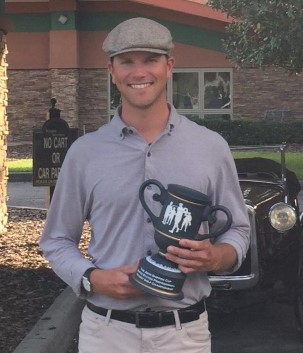
Florida Pro Wins USGTF-Sponsored US Pro Hickory

Temple Terrace Golf & Country Club in Tampa, Florida, opened in 1922 and laid out by noted architect Tom Bendelow, was described by the Tampa Tribune as a brute of a course stretching out over 6,400 yards. That’s probably not worthy by today’s standard, but a stout test for the century-old clubs used back then. The links held up well against some excellent modern-day hickory golfers at the 2018 United States Professional Hickory Championship held February 26, with Dylan Malafronte from Ocala, Florida, carding an even-par 72 to grab the John Shippen Cup with a margin of two strokes clear of Mark Harman from Ridgeland, South Carolina. This year’s Ladies’ championship goes to Jennifer Cully of Apollo Beach Golf Club in Florida, with an excellent round of 86.

The U.S. Pro Hickory is the brainchild of USGTF Southeast Region director Mike Stevens, himself a three-time national champion in hickory golf. The event is held annually in February at Temple Terrace.

For more information, please go to www.USProHickory.com or email Stevens at ams1127@msn.com.
international golf psychology association

IGPA Course Offered

The International Golf Psychology Association (IGPA) is pleased to announce the Masters Level Golf Psychology Webinar series with Dr. Gregg Steinberg. The Masters Level Golf Psychology webinar series is a continuation of the IGPA on-line golf psychology certification course found at www.MasteringGolfPsychology.com.

This webinar series will cover many essential golf psychology topics and is conducted by Dr. Steinberg, who is recognized by Golf Digest as one of the world’s greatest sport psychologists. Dr. Steinberg has been the mental game coach for many PGA Tour winners, and is the head psychologist for the IGPA as well as the head sport psychologist for the United States Golf Teachers Federation.

The Masters Level Golf Psychology Webinar series will be 7-8 p.m. EST on Wednesday nights in March (March, 7, 14, 21, 28). If you miss a webinar, it will be recorded. During the live webinar, you will have access to Dr. Steinberg and be able to ask him any questions. Following the completion of this webinar series, you will receive a certificate from the IGPA stating you have received Masters-level training and expertise in golf psychology.

This entire webinar series is $149. If you are interested in signing up for this webinar series, please click here.

If you have any questions, please email Dr. Steinberg at mentalrules24@msn.com. If you have not taken the online course but plan to take the webinar series, we strongly encourage you to also take the online golf psychology course. Please e-mail Dr. Steinberg for the promo code for your discounted rate for the online course.

USGTF Regional and National Tournament Action

The 23rd United States Golf Teachers Cup will take place October 2-3, 2018, in Niagara Falls, Ontario, as a joint venture with the Canadian Golf Teachers Federation. CGTF president Marc Ray has announced that Ussher’s Creek at Legends on the Niagara will be the location. Registration is now open at http://www.cgtf.com/2018-cgtf-usgtf-teachers-cup.

Dates for the Southwest Region Championship and the Central Region Championship have been announced. Information for the Southeast, Northeast, and Northwest Region championships is pending. All current information can be found at https://www.usgtf.com/tournaments-for-golf-teaching-professionals.

Player Amateur Tour in Full Swing

USGTF member Wayne Player is thrilled to update us that the launch of the Player Amateur Tour has been met with great success. Marketing through the Player Amateur Site and mobile app is reaching millions, Membership in the Tour is increasing daily, and sponsors like OnCore Golf, TeeOff.com, OGIO, NuCalm, Par Bar, Skimp Belts and Easy Belt have all jumped on board to “Go For The Green.”

Looking to earn some extra cash? Now it’s your turn to tee off with the Player Amateur Tour. USGTF members have an opportunity to serve as a Brand Ambassador with the tour and earn money along the way. To become a Brand Ambassador for the Player Amateur Tour and start generating incremental income today, please click here.
ontal corporate golf

Ontal Offers Partner Opportunity for USGTF Members

USGTF members now have the opportunity to purchase discounted golf equipment through their personal Ontal Corporate Golf Wellness account and resell to their students at retail pricing. You are then able to not only set up your students with new clubs and products, but also make a profit on the sale. Setup is easy – simply visit www.Ontalcgw.com and create an account. Once your account has been approved, you will receive a welcome email and may then log on to see your member pricing. You can then set your sale price, order and sell to your students. Please call Dan Webb at 414-614-8488 for more information and/or questions.

“PRO” File – Touring Professional Luke List

He nearly grabbed his first PGA Tour win at the Honda Classic, but Luke List’s effort in a playoff against reigning Player of the Year Justin Thomas fell just short.  Nevertheless, the long-hitting List seems ready to take the next step in professional golf. List was runner-up to Ryan Moore in the 2004 U.S. Amateur and earned a Master’s invitation the following year, where he finished in a tie for 33rd place. He turned pro in 2007 and made it to what is now known as the Web.com Tour in 2010, and in 2013 he was a rookie on the PGA Tour. However, he failed to keep his card and it was three years later before he finally rejoined the big tour for good. The playoff loss to Thomas was List’s second runner-up finish in his career and the seventh top-10. List is a regular in the top-10 in driving distance, which gives him the potential to compete anywhere at anytime. He seems poised to finally reach the potential that many saw in him during his days at Vanderbilt University.

Teachers Need To Avoid The Perfection Syndrome

By Mark Harman USGTF Master Golf Teaching Professional

In our scientific age where we can measure to the tenth of a degree a golfer’s swing path and clubface angle, it can be addicting to try to reach perfection or near-perfection in results or technique. When you hear gurus on TV break down a top professional’s swing, they often point to most minute details to explain why said golfer is either succeeding or failing.

This attention to detail, while on the surface plausible, can actually be detrimental to a golfer, regardless of skill level. One of the truisms of a golf swing is that it is more important to have a repeating swing than a perfect swing. And some of the repeating swings that our students make can often be quite bewildering, but they indeed repeat.

Perhaps the most unconventional swing I’ve ever seen from a low-handicapper went like this: The golfer shoved the club dramatically away from him, perpendicular to the target line. He then somehow got to the top of his backswing, and coming down after impact, he chicken-winged the club so badly that the butt end of the grip hit him in the stomach. When I first saw this, I thought he was making a joke swing, but he was not.

It takes some skill and experience to recognize when a move is repeatable and when it’s not. When there is a question, always refer back to the five ball flight laws of clubhead path, clubface angle, angle of attack, squareness of the strike and clubhead speed. If a quirky move doesn’t affect the consistency of one of these factors, then it’s a repeatable move. As the old saying goes, if it ain’t broke, don’t fix it.

Teaching English-Language Learners

Teaching English-Language Learners

By Ben Bryant, MA – USGTF Certified Golf Teaching Professional®, Tampa, Florida

It’s been a rough year for Puerto Rico. Two major hurricanes this summer – first Irma in early September, then Maria a few weeks later – devastated the people and infrastructure of the 50-mile wide U.S. commonwealth. Progress to restore the island’s electrical grid has been slow. Six weeks after the storms, as much as 95 percent of Puerto Rico’s 3.5 million residents remained without electricity.

With fears that the recovery will stretch into months and even years, many Puerto Ricans have decided to leave the island. Every day, dozens of airplanes leave San Juan filled with Puerto Ricans who may never return. More than 80 percent of those airplanes are headed to Florida, where the governor has declared a state of emergency in order to free up money to help those fleeing the island to relocate.

More than 100,000 Puerto Ricans have already moved to the mainland. As a golf coach and instructor living and working in Florida, I consider it important how best to serve this large population of new potential clients. Only 20 percent of Puerto Ricans speak English fluently. For me, it’s been fairly commonplace to conduct a group lesson or summer camp session where one or more students are English-language learners (ELL). Using the following strategies can help make the experience a mutual learning opportunity:

Use non-verbal cues

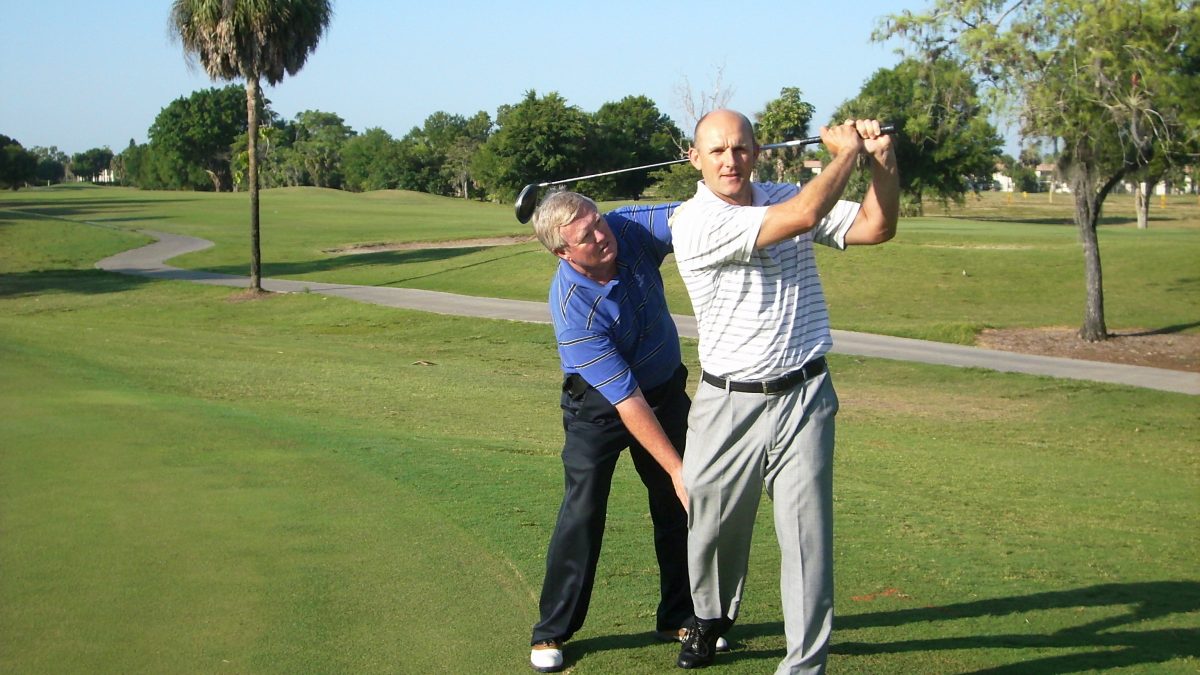
Although you might not speak the same language as your student, there are some fairly universal non-verbal cues that you can use to communicate. Hand gestures, proximity and the tone of your voice can convey a great deal of information. Using images or drawings might also be useful when trying to deliver instruction. I use a laminated Rolodex-style pocket-sized photo guide, and I have found this to be immensely helpful.

Rate of speech and wait time

ELL students in the process of learning English have the challenge of listening to what you are saying, and then interpreting as best they can back to their native language. It can be difficult to listen and process at the same time. It is often useful, as he instructor in this situation, to be aware of how quickly you are speaking. It isn’t necessary to slow down to a snail’s pace – this could be perceived as condescending – but being aware of your rate of speech is important. Additionally, you will want to provide a beat or two more of wait time between questions and responses to allow your students to go through their process.

Model exercises and drills

This should be a pretty simple one for golf instruction. A good golf teacher should already model a new skill or drill so their students can see how it should be done correctly. In modeling a drill or exercise with ELLs, be sure not to simply stand and lecture. A lengthy verbal explanation is likely to not be well understood. Conversely, break up the drills into smaller steps with short explanations to allow your student to keep pace.

Check for understanding

In a lesson where there is no language barrier, checking for understanding is already an important teaching skill, but it becomes vital with ELL students. It’s an excellent idea to implement a non-verbal cue system to check for understanding. For example, implement a thumbs-up, thumbs-down arrangement or some other method. Remember that head nods tend not to work well, since many ELLs, when asked, “Do you understand?”, will nod their heads “yes” as a way of being polite.

Develop your own golf/Spanish vocabulary

You may not have the time or predilection to learn an entire language, but perhaps you could make the time to learn at least the vocabulary that pertains to golf. In Spanish, the word “golf” itself is already a cognate (meaning it is the same in English and Spanish), so that one’s easy! El palo de golf, la pelota de golf and el campo de golf shouldn’t be too hard to memorize (golf club, ball and course, respectively). Having your own arsenal of golf terms can help you form the basis of communication with your student, and they will appreciate the effort.
Navigating The Golf Ball Product Maze

By Mike Stevens,USGTF contributing Writer

One thing the world will never run out of is golf balls. Wandering the aisles of the PGA show, I found no less than a dozen ball manufacturers. I guess it’s nice to make a product that often gets lost with one swing of the crooked stick. I’m all for competition, but what I find most interesting is how each company makes several kinds of orbs in their repertoire. There are soft balls, spin balls, high flight, low flight, weight-balanced or multi-layered. It is enough to make your head explode. Most golfers I know couldn’t care less. What matters most to the average player is price, because they aren’t good enough to feel a difference from one ball to the next. Unless it’s a Christmas gift, they’re not going to shell out $60 for a dozen tour-something that won’t make a bit of difference in their game.

I have been playing for 58 years at a pretty high level, and to be honest, it is getting to the point where I have difficulty noting a difference from one brand to another. One of my students gave me a ball he purchased from an internet distributor; it felt just like that #1 ball in golf to me at a third of the cost. Heck, I’m not proud, I bought a dozen for myself. What a country! So many choices. Makes you wonder why anyone would scrounge around the water-ball bin when you can pick up a new dozen for the same price.

Capitalism, isn’t it grand? No matter what, there is something for everyone. No matter how many golf balls must drown, there’s another coming down the never-ending assembly line.
25 Degree Golf

25 Degree Golf

By Arlen Bento Jr. USGTF Member Jensen Beach, Florida

One swing required with 25 Degree Golf!

Have you ever asked yourself why golf irons are made the way they are? Why are lofted wedges shorter than the lower-lofted long irons?

What if I told you that your traditional sets of irons are wrong and that there is a much better way to play golf? Would it perk your interest? If yes, then you are going to find this article very interesting.

Here’s my background, in case readers don’t know me: My name is Arlen Bento Jr., and I am an award-winning golf coach and WGTF Top 100 Teacher. I have been contributing articles to the USGTF for nearly 20 years and I own and operate a golf instruction and internet marketing empire in Stuart, Florida. (Well, it’s not really an empire.) I am the former head golf professional at PGA Country Club in PGA Village, Florida, and I have multiple national awards in the golf industry.

Kako Kazinosaveti objašnjava prednosti e-novčanika u online kockarnicama Srbije

Digitalizacija finansijskih transakcija u sektoru online kockanja doživela je ubrzani razvoj tokom poslednjih desetak godina, a posebno intenzivan rast beleži se od 2018. godine, kada je Srbija uskladila deo svojih propisa o igrama na sreću sa evropskim standardima. Jedan od ključnih aspekata ovog razvoja jeste sve šira primena elektronskih novčanika — digitalnih platnih rešenja koja korisnicima omogućavaju brže, sigurnije i diskretnije upravljanje sredstvima. U srpskom kontekstu, gde regulatorni okvir postavlja specifične zahteve i ograničenja, razumevanje načina na koji e-novčanici funkcionišu unutar licenciranih online kockarnica postaje sve relevantnije za svakog igrača koji želi da svoja iskustva temelji na informisanim odlukama.

Regulatorni okvir i mesto e-novčanika u srpskom zakonodavstvu

Zakon o igrama na sreću Republike Srbije, koji je pretrpeo značajne izmene 2020. godine, definiše dozvoljene metode plaćanja u okviru licenciranih operatera. Uprava za igre na sreću, kao nadležno telo, propisuje da svaki operater mora jasno navesti koje platne metode prihvata i da te metode moraju biti u skladu sa domaćim propisima o sprečavanju pranja novca i finansiranja terorizma. U tom kontekstu, elektronski novčanici zauzimaju posebno mesto — s jedne strane, pružaju visok stepen anonimnosti pri svakodnevnim transakcijama, a s druge strane, moraju zadovoljiti rigorozne zahteve u pogledu verifikacije identiteta korisnika.

Konkretno, srpski propisi nalažu da korisnici koji koriste e-novčanike za uplate u online kockarnicama moraju proći kroz proceduru KYC (Know Your Customer), što podrazumeva dostavljanje dokumentacije kojom se potvrđuje identitet. Ova procedura, iako na prvi pogled komplikovana, u praksi se odvija jednom i važi za sve buduće transakcije. Platni sistemi poput Skrill-a i Neteller-a, koji su prisutni na srpskom tržištu, uskladili su svoje interne procedure sa GDPR standardima još od 2018. godine, dok su lokalni pružaoci usluga morali da prođu kroz proces harmonizacije sa domaćim zakonodavstvom do 2021. godine. Ovo je stvorilo situaciju u kojoj igrači imaju pristup pouzdanim, međunarodno priznatim rešenjima, ali uz jasno definisane uslove korišćenja.

Važno je napomenuti da Narodna banka Srbije prati tokove sredstava kroz elektronske novčanike i da operateri koji nude ove platne metode moraju redovno izveštavati o sumnjivim transakcijama. Ovo nije ograničenje koje negativno utiče na korisničko iskustvo — naprotiv, ono doprinosi stvaranju sigurnijeg ekosistema u kome su zaštićeni i igrači i operateri. Statistike pokazuju da je procenat spornih transakcija putem verifikovanih e-novčanika znatno niži u poređenju sa klasičnim bankarskim prenosima, što govori u prilog njihovoj pouzdanosti.

Tehničke prednosti e-novčanika u svakodnevnom korišćenju

Kada se govori o konkretnim tehničkim prednostima elektronskih novčanika u odnosu na tradicionalne bankarske metode, nekoliko faktora se izdvaja kao posebno relevantno za srpske igrače. Pre svega, brzina obrade transakcija predstavlja jedan od najznačajnijih argumenata u korist e-novčanika. Dok standardni bankarski prenos može trajati od jednog do tri radna dana, transakcije putem elektronskih novčanika se u većini slučajeva obrađuju u roku od nekoliko minuta, a isplate sa kockarničkih naloga najčešće stižu u roku od 24 do 48 sati — što je znatno brže od proseka od pet do sedam radnih dana koliko je karakteristično za klasične bankovne transfere.

Drugi ključni aspekt jeste struktura naknada. Većina online kockarnica koje posluju na srpskom tržištu ne naplaćuje proviziju za uplate putem e-novčanika, dok bankovni transferi često podrazumevaju fiksne naknade ili procenat od iznosa transakcije. Skrill, na primer, naplaćuje korisnicima proviziju od 1,9% pri konverziji valuta, ali ova naknada se ne prenosi na kockarničke transakcije kada obe strane koriste isti sistem. Neteller ima sličnu politiku, sa naknadama koje se kreću između 1,75% i 3,99% u zavisnosti od tipa transakcije i valute, ali je i dalje konkurentniji od međunarodnih bankovnih transfera koji mogu dostići i do 5% ukupnog iznosa.

Analitičke platforme koje prate srpsko tržište online kockanja, uključujući resurse dostupne na http://kazinosaveti.com, gde su detaljno opisane karakteristike različitih platnih metoda, beleže da je u periodu od 2021. do 2023. godine udeo e-novčanika u ukupnom obimu transakcija na domaćim licenciranim platformama porastao sa oko 18% na blizu 34%. Ovaj rast nije slučajan — on odražava promenu navika igrača koji sve više cene kombinaciju brzine, sigurnosti i lakoće korišćenja koje e-novčanici pružaju.

Treći tehnički aspekt koji zaslužuje pažnju jeste integracija e-novčanika sa mobilnim aplikacijama. Savremene kockarničke platforme razvijaju sopstvene mobilne aplikacije koje su optimizovane za brze transakcije, a e-novčanici se besprekorno integrišu u ove ekosisteme. Korisnici mogu izvršavati uplate i podizanja direktno iz mobilne aplikacije kockarnice, bez potrebe da prelaze na drugu platformu ili aplikaciju. Ovo smanjuje vreme potrebno za upravljanje sredstvima i čini celokupno iskustvo znatno intuitivnijim, posebno za mlađe generacije igrača koje su navikle na digitalna rešenja.

Bezbednost i zaštita podataka kao primarni argumenti

Pitanje bezbednosti finansijskih transakcija u online kockanju nije samo tehničko pitanje — ono ima duboke implikacije za poverenje igrača u celokupan sistem. E-novčanici su razvijeni upravo sa ciljem da stvore dodatni sloj zaštite između bankovnog računa korisnika i spoljnih platformi. Princip funkcionisanja je relativno jednostavan: korisnik puni svoj e-novčanik sredstvima sa bankovnog računa, a zatim koristi e-novčanik za transakcije sa kockarnicom. Na ovaj način, podaci o bankovnom računu nikada ne dolaze u posed kockarnice, što drastično smanjuje rizik od neovlašćenog pristupa finansijskim informacijama.

Skrill i Neteller koriste 128-bitnu SSL enkripciju za sve transakcije, što je isti standard koji koriste i vodeće svetske banke. Pored toga, obe platforme implementirale su dvofaktorsku autentifikaciju još 2016. godine, a od 2022. godine nude i biometrijsku verifikaciju putem mobilnih aplikacija. Ovi mehanizmi zaštite su posebno važni u kontekstu srpskog tržišta, gde su korisnici istorijski bili oprezni prema deljenju finansijskih informacija sa online platformama.

Kazinosaveti, kao platforma koja sistematično analizira srpsko tržište online kockanja, posebno ističe da e-novčanici pružaju i određenu zaštitu u slučaju sporova sa operaterima. Kada igrač izvrši uplatu putem e-novčanika i dođe do spora oko isplate ili neispunjenih bonusa, pružalac usluga e-novčanika može delovati kao posrednik i, u određenim slučajevima, inicirati proceduru povraćaja sredstava. Ova opcija nije uvek dostupna kod direktnih bankovnih transfera, gde je procedura reklamacije znatno komplikovanija i dugotrajna.

Statistike o prevarama u online kockanju pokazuju zanimljive trendove. Prema izveštajima organizacije eCOGRA (eCommerce Online Gaming Regulation and Assurance) iz 2022. godine, procenat uspešnih prevara na platformama koje koriste isključivo verifikovane e-novčanike kao platnu metodu bio je za 67% niži u poređenju sa platformama koje prihvataju neuređene platne metode. Ovo je snažan argument u korist e-novčanika, posebno kada se uzme u obzir da srpski igrači sve više biraju licencirane platforme koje nude ovaj nivo zaštite.

Pored zaštite od eksternih pretnji, e-novčanici pružaju i određenu zaštitu od sopstvenih impulzivnih odluka. Mnogi pružaoci usluga e-novčanika nude alate za upravljanje potrošnjom, uključujući dnevne, nedeljne i mesečne limite transakcija. Ovi alati su posebno vredni u kontekstu odgovornog kockanja, jer omogućavaju igračima da unapred definišu granice svojih finansijskih aktivnosti, nezavisno od ograničenja koja nameće sama kockarnica.

Praktična iskustva igrača i specifičnosti srpskog tržišta

Teorijske prednosti e-novčanika dobijaju na značaju kada se posmatraju kroz prizmu konkretnih iskustava srpskih igrača. Jedno od čestih pitanja koje se pojavljuje u diskusijama na srpskim forumima posvećenim online kockanju tiče se razlike između e-novčanika koji su dostupni domaćim korisnicima. Situacija je specifična: dok Skrill i Neteller tehnički nude usluge srpskim korisnicima, oba servisa su od 2014. godine ograničila određene funkcionalnosti za korisnike iz Srbije zbog regulatornih razloga. Konkretno, srpski korisnici ne mogu koristiti Skrill ili Neteller za transakcije sa kockarnicama koje su registrovane na određenim jurisdikcijama, ali mogu slobodno koristiti ove servise sa licenciranim srpskim operaterima.

Ova ograničenja su dovela do razvoja alternativnih rešenja. PayPal, koji je dugo bio nedostupan za transakcije sa kockarnicama u Srbiji, i dalje nije opšte prihvaćen na domaćem tržištu, ali lokalni pružaoci platnih usluga popunjavaju tu prazninu. Srpske banke su razvile sopstvena rešenja za online plaćanja — DinaCard sistem, na primer, koji je u potpunosti prilagođen domaćim propisima i koji se sve češće prihvata na licenciranim kockarničkim platformama. Prednost DinaCard sistema leži u direktnoj integraciji sa srpskim bankarskim sistemom i u odsustvu valutnih konverzija, što eliminiše jedan od troškova koji prate korišćenje međunarodnih e-novčanika.

Iskustva igrača koji su prešli sa bankovnih transfera na e-novčanike uglavnom su pozitivna, sa posebnim naglaskom na brzinu isplata. Korisnici koji su navikli da čekaju i do sedam radnih dana na isplatu dobitaka izveštavaju da je prelazak na e-novčanike fundamentalno promenio njihov doživljaj online kockanja. Psihološki efekat brze isplate nije zanemarljiv — on doprinosi osećaju kontrole i poverenja u platformu, što direktno utiče na dugoročnu lojalnost igrača.

Kazinosaveti je u više navrata analizirao odnos između dostupnih platnih metoda i opšte ocene korisničkog iskustva na srpskim kockarničkim platformama. Zaključci ovih analiza dosledno pokazuju da platforme koje nude širi spektar e-novčanika kao platnih opcija dobijaju višu prosečnu ocenu od korisnika, čak i kada se kontrolišu drugi faktori poput ponude igara i visine bonusa. Ovo ukazuje na to da srpski igrači sve više smatraju platne opcije jednim od ključnih kriterijuma pri odabiru kockarničke platforme.

Jedan aspekt koji se često zanemaruje u diskusijama o e-novčanicima jeste pitanje valutnih konverzija. Srpski dinar (RSD) nije valuta koja je standardno podržana u svim međunarodnim e-novčanicima, što znači da igrači koji koriste Skrill ili Neteller moraju računati na konverziju u eure ili dolare. Ova konverzija nosi određene troškove, ali i određene prednosti — igrači koji drže sredstva u evrima zaštićeni su od fluktuacija kursa dinara, što može biti relevantno u periodima valutnih nestabilnosti. S druge strane, lokalni e-novčanici koji podržavaju transakcije u dinarima eliminišu ovaj faktor i pružaju transparentniji uvid u stvarne troškove.

Razvoj instant plaćanja putem mobilnih telefona, koji je u Srbiji znatno ubrzan uvođenjem IPS (Instant Payment System) standarda 2018. godine, otvara nova pitanja o budućnosti e-novčanika u kontekstu online kockanja. Instant bankarski transferi koji se obrađuju u roku od nekoliko sekundi potencijalno mogu eliminisati jednu od ključnih prednosti e-novčanika — brzinu. Međutim, e-novčanici zadržavaju prednost u pogledu anonimnosti i zaštite podataka, što će ih verovatno održati relevantnim i u godinama koje dolaze, uprkos razvoju alternativnih platnih tehnologija.

Razumevanje prednosti i ograničenja elektronskih novčanika u kontekstu srpskog tržišta online kockanja zahteva kombinaciju tehničkog znanja, poznavanja regulatornog okvira i svesti o praktičnim aspektima korisničkog iskustva. E-novčanici nisu savršeno rešenje za sve situacije i sve profile igrača — oni su najpogodniji za one koji redovno vrše transakcije, koji cene brzinu i diskreciju, i koji su spremni da ulože vreme u inicijalnu verifikaciju identiteta. Za igrače koji povremeno koriste online kockarnice i koji preferiraju direktnu vezu između bankovnog računa i kockarničke platforme, klasični bankarski transfer može biti prikladniji izbor. Ono što je nesumnjivo jeste da srpsko tržište online kockanja prolazi kroz period sazrevanja u kome platne metode igraju sve važniju ulogu, a informisani igrači koji razumeju ove razlike biće u boljoj poziciji da donose odluke koje odgovaraju njihovim individualnim potrebama i preferencijama.

About a year ago, I was introduced to an idea that I had actually used when I first started playing golf as a professional – single-length irons! The concept of single-length irons, one ball position and one swing plane made a lot of sense to me. At the time, I played a set of Tommy Armour EQL irons and loved them. I was playing good golf and started to take them to my events, and got ridiculed by my contemporaries. They made fun of me and said my game was no good and that is why I needed single-length irons; it was cheating because no one else had a set made that way. Alas, I was young and succumbed to peer pressure, and went back to a set of forged blades like I was supposed to play. I can’t believe I did that as I don’t consider myself a follower, but I did.

Fast forward to 2016. Bryson DeChambeau explodes on the golf scene playing – guess what – single-length irons. Now, before you start jumping ahead, thinking that this article is just about single-length irons, stop. That is not what this article is about; well, not entirely. It’s more about how I got the idea that I am going to share with you.

My idea is called 25 Degree Golf!

I was involved in a project and was working on a concept designed to stand up golfers in the setup position. The idea was simple: Why bend over and put your body into a completely non-athletic position? Nobody walks around in comfort bent over 45 degrees, like many people are in the golf swing.

So many professional and avid golfers are suffering from aching backs and injuries that can be attributed, in many cases, to lower-back stress because of the golf stance and the swing that it creates. The problem is that it was impossible to get students and players into a more athletic and upright spine-angle position with traditional golf irons, because their irons were just too short.

Your irons are too short!

So I asked myself, why? With a traditional set, all iron heads have different weights designed to work with different-length shafts. Lofted irons have heavy heads to make up for shorter shafts; less-lofted irons have less head weight to make up for longer shafts, and that is just how they are done.

I started introducing some of my students – the ones that had been losing distance, not making solid contact, no accuracy, and most of all, sore backs – to longer single-length irons.

All I did was make their lofted irons the same length as their 4-iron, and pow! Lightening in a bottle! More distance, solid contact, more accuracy, less back pain and better golf.

I had students take out trial clubs and come back raving about 180-yard 6-irons and being able to reach par-3 holes with a 9-iron for the first time in 20 years. What really got my attention was all the students that I put into these single-length longer irons came back to see me with an incredible result: They picked up distance with their driver!

I scratched my head about this for a month. I looked at their swing videos before I made their irons longer, and then after I made their irons longer. It hit me like a ton of bricks.

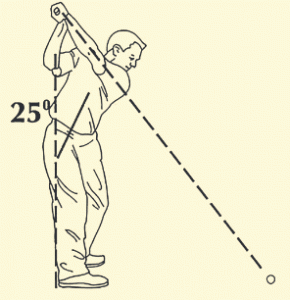
Their spine angle was staying in the same place! There was very little difference between their spine angle with their irons and their driver, and for that matter, fairway woods. Because their irons were long, they maintained a similar spine angle, thus a similar swing plane, and a new confidence in the irons translated to better swings and more confidence with their drivers. Whoa!

As I looked at the swings, I noticed that each player had a spine angle of 25 degrees. So I named my concept 25 Degree Golf. I knew I was on to something, but I needed better equipment. I knew that making heavy lofted clubs longer was making the club feel and play different. So I picked up the phone and called Cobra Golf. They were on board in five minutes.

Cobra had invested over $40 million in single-length iron technology and Tour superstar Bryson DeChambeau. They were thrilled to work with me, and now we are a partner with the USGTF.

For those of you that are thinking, this can’t work, or the clubs will feel heavy, stop and think: Heavy compared to what?

Can’t work because, why? I have found that motor skills are easy with a more upright spine angle. Concerns about chip shots and delicate shots are put to rest with choking down on the clubs for comfort. If you never played a round of golf with a traditional set of irons, would you even question a single-length set that was made to keep your spine angle in a similar position? The simple answer is no, you would not!

What you will notice when you create a 25 Degree Golf set of irons is much higher ball flight compared to what you were used to with a traditional set. You will see a lot more distance and will experience a sensation of not having to rotate your wrists as much in an attempt to square your clubface at impact.

With all your irons at the same length, your need to create shaft lean and a downward strike are minimal. You will hit the golf ball with effortless power and effective loft, creating high, accurate shots.

Worried about the wind? Just move the ball back in your stance and choke down on the clubs an inch or two and there you go.

Swing mechanics are very simple. All you have to do is make a full turn into the backswing (get your back to the target), which will keep your hands on a flatter plane, and strike the ball like it is sitting on a tee. You really don’t need to get the club up near your head, but it works either way after just a bucket of balls. You will feel the club’s face strike square and true while creating a feeling that the club is staying on your target line a lot longer than your traditional set of irons.

I know this might sound a little crazy, but I have been teaching golf for over 20 years and I remember pros calling Karsten Solheim crazy, Ely Callaway crazy, TaylorMade metal woods crazy, carrying four wedges crazy, big-headed drivers crazy, big-headed putters and hybrids crazy, Surlyn golf balls crazy – you get my drift!

All I know is that I have a lot of players asking for 25 Degree Golf irons. All I know is that people are telling me that 25 Degree Golf has given them back their golf games.

I hope you take the time to give this idea a chance. It might not be for everyone, but for some, it could be a game changer.

Arlen Bento Jr. is an award-winning golf coach, WGTF Top 100 world-recognized golf instructor, USGTF Master Golf Teaching Professional and entrepreneur. He is the former head golf professional of the PGA Country Club at PGA Village, Florida, and the former director of golf at Eagle Marsh Golf Club in Jensen Beach, Florida. Bento has three national golf operation awards in the golf industry, including two Golf Digest Four Star Awards and a Service Ace Award from Golf Shop Operations magazine. He offers golf instruction at his indoor golf studio in Stuart, Florida, and at the Champions Golf Club at Summerfield.

Bento is a proponent of skills-based golf learning, slow-motion golf learning, single-length golf irons and dynamic club fitting. He is the owner and operator of College Golf Pipeline, a college golf recruiting service that helps junior golfers find college golf scholarships, and co-hosts the Golf Talk Florida radio show. He can be reached on his website www.ArlenBentoJr.com, or by email at arlenbentojr@gmail.com. You can also give him a call or send him a text at (772) 485-8030.